RPACT

Presentation for Eli Lilly

Friedrich Pahlke, Daniel Sabanés Bové, and Gernot Wassmer

RPACT GmbH

November 20, 2025

RPACT

RPACT — Statistical Tools for Drug Development

About RPACT 🏢

RPACT — Statistical Tools for Drug Development

Founded in May 2017 by Gernot Wassmer and Friedrich Pahlke
New partner Daniel Sabanés Bové joined formally in October 2025

  • Specialized in validated R/Shiny tools for drug development
  • Trusted by leading pharma companies worldwide
  • Strong focus on regulatory-compliant open-source software
  • Idea: open source development with help of “crowd funding”
  • Currently supported by 22 companies
  • \(>\) 80 presentations and training courses since 2018, e.g., FDA in March 2022
  • Website: rpact.com

RCONIS 🚀

  • Grow RPACT company to offer a wider range of services
  • Statistical consulting and engineering services:
    Research Consulting and Innovative Solutions
  • Joint venture between RPACT GmbH (rpact.com) and inferential.biostatistics GmbH (inferential.bio) founded by Daniel Sabanés Bové and Carrie Li
  • Website: rconis.com

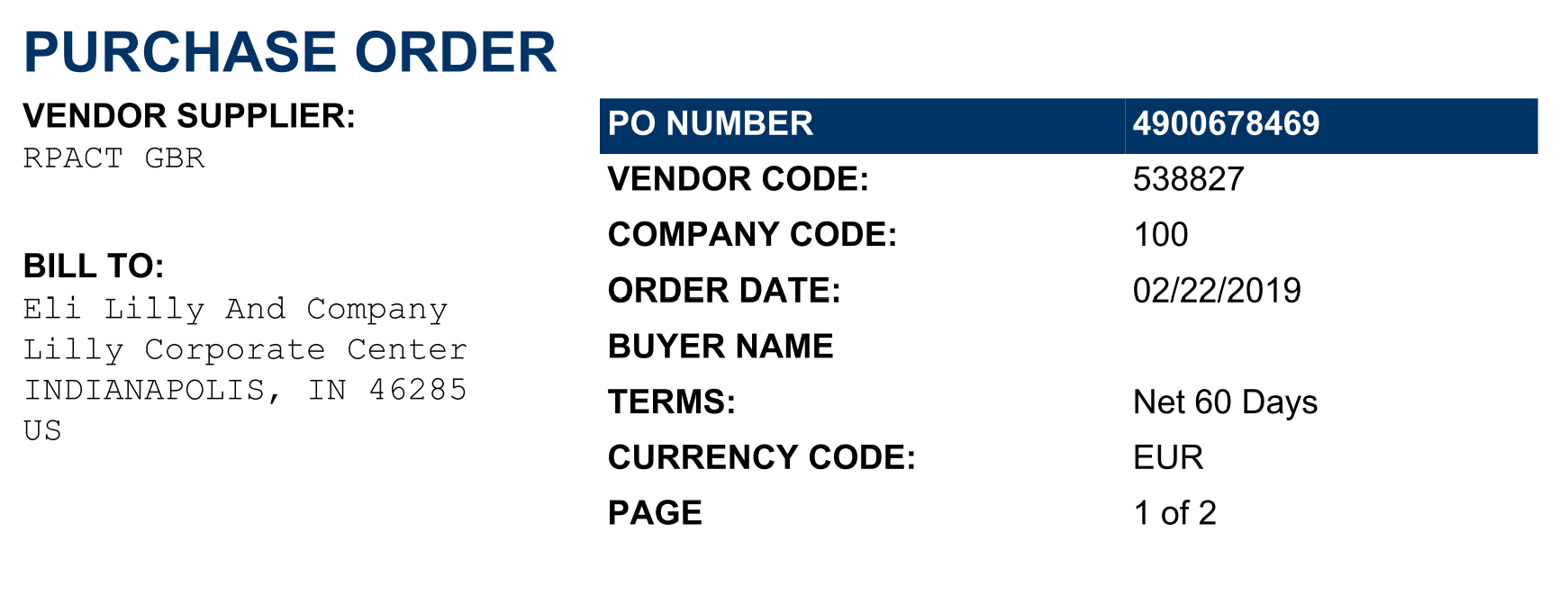
Past Collaboration with Eli Lilly

  • RPACT was a Qualified Vendor for Eli Lilly in 2019–2020
  • Provided support, validation material, and consulting for the rpact R package
  • Initiated at that time by Frank Langer, Executive Director Real World and Access Analytics & International Business Unit, Eli Lilly and Company
The RPACT User Group

  • Boehringer Ingelheim
  • Metronomia Clinical Research
  • F. Hoffmann-La Roche
  • Excelya
  • Dr. Willmar Schwabe
  • Bayer
  • Merck
  • AbbVie
  • Dr. Falk Pharma
  • Klifo
  • FGK Clinical Research
  • UCB
  • GKM
  • Parexel
  • Nestlé
  • Janssen
  • Novartis
  • PPD (Thermo Fisher Scientific)
  • Sanofi
  • Pfizer
  • Gilead
  • Allucent
  • Recursion

Products

The R Package ‘rpact’ 📦

What is rpact?

  • Industry-grade R package for clinical trial planning and analysis
  • Fully validated for use in GxP environments
  • > 30 CRAN releases since 2018
  • 29 vignettes: practical examples and use-cases published on rpact.org/vignettes

The R Package ‘rpact’ 📦 (cont’d)

  • Implementing methodology described in Wassmer and Brannath (2025)
  • Enables the design of traditional and confirmatory adaptive group sequential designs
  • Provides interim data analysis and simulation including early efficacy stopping and futility analyses
  • Enables sample-size reassessment with different strategies
  • Enables treatment arm selection in multi-stage multi-arm (MAMS) designs
  • Enables subset selection in population enrichment designs
  • Provides a comprehensive and reliable sample size calculator
The R Package ‘rpact’ - Trial Designs

  • Fixed sample design
  • Group sequential designs
  • Adaptive designs using the inverse normal and Fisher’s combination test, and conditional error rate principle

Easy to understand R commands:

getDesignGroupSequential()
getDesignInverseNormal()
getDesignFisher()
getDesignConditionalDunnett()

The R Package ‘rpact’ - Sample Size and Power Calculation

for

  • testing means (continuous endpoint)
  • testing rates (binary endpoint)
  • survival trials with flexible recruitment and survival time options
  • testing rates for count data

Easy to understand R commands:

getSampleSize[Means / Rates / Survival / Counts]()
getPower[Means / Rates / Survival / Counts]()

Example:

getSampleSizeMeans()
getPowerMeans()

The R Package ‘rpact’ - Adaptive Analysis

for testing means, rates, and survival data

  • Calculates adjusted point estimates and confidence intervals
  • Some highlights:
    • Automatic boundary recalculations during the trial for analysis with alpha spending approach, including under- and over-running
    • Adaptive analysis tools for multi-arm trials
    • Adaptive analysis tools for enrichment design

Easy to understand R commands:

getStageResults()
getRepeatedConfidenceIntervals()
getAnalysisResults()

The R Package ‘rpact’ - Simulation Tool

for means, rates, and survival data

  • Assessment of adaptive sample size/event number recalculation strategies
  • Assessment of treatment selection strategies in multi-arm trials
  • Assessment of population selection strategies in enrichment designs

Easy to understand R commands:

getSimulation[MultiArm / Enrichment][Means / Rates / Survival / Counts]()

Example:

getSimulationMeans()
getSimulationMultiArmMeans()
getSimulationEnrichmentMeans()

The R Package ‘rpact’

Further information, installation, and usage:

RPACT Connect

  • All important information and resources about RPACT on one dashboard page
  • Customer-specific resources, e.g.,
    • training slides,
    • annual meeting slides, and
    • the rpact validation documentation
  • Use RPACT Connect to jump to RPACT Cloud and unlock advanced features
  • Sign up: Please use your corporate email address so RPACT Connect can recognize your SLA membership automatically
  • RPACT Connect: connect.rpact.com

RPACT Cloud

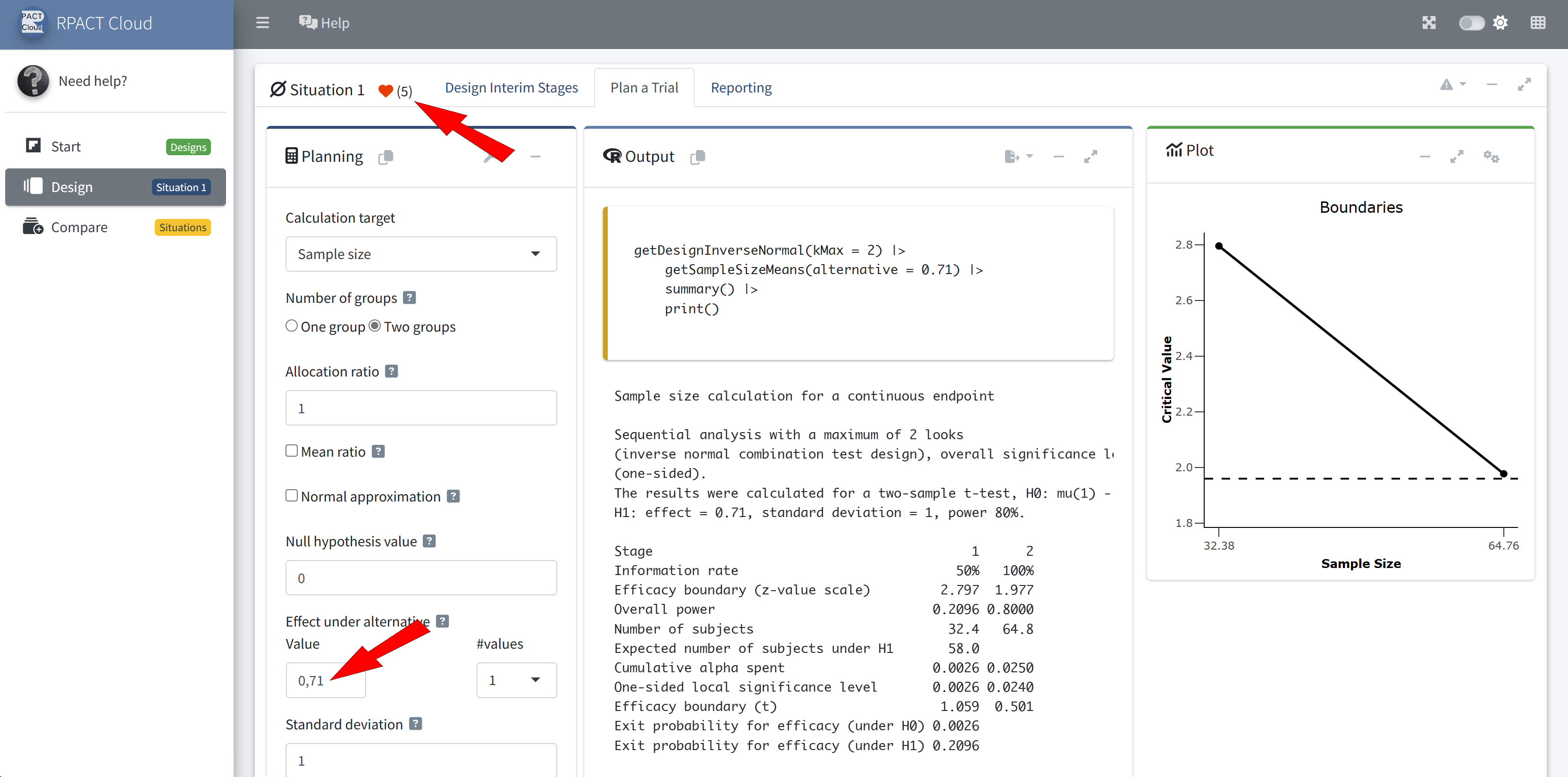
RPACT Cloud – Introduction

  • Graphical user interface
  • Web based usage without local installation on nearly any device
  • Provides an easy entry to rpact
  • Starting point for your R Markdown or Quarto reports
  • Helpful to learn/demonstrate the usage of rpact in a user friendly and intuitive way
  • Online available at rpact.cloud

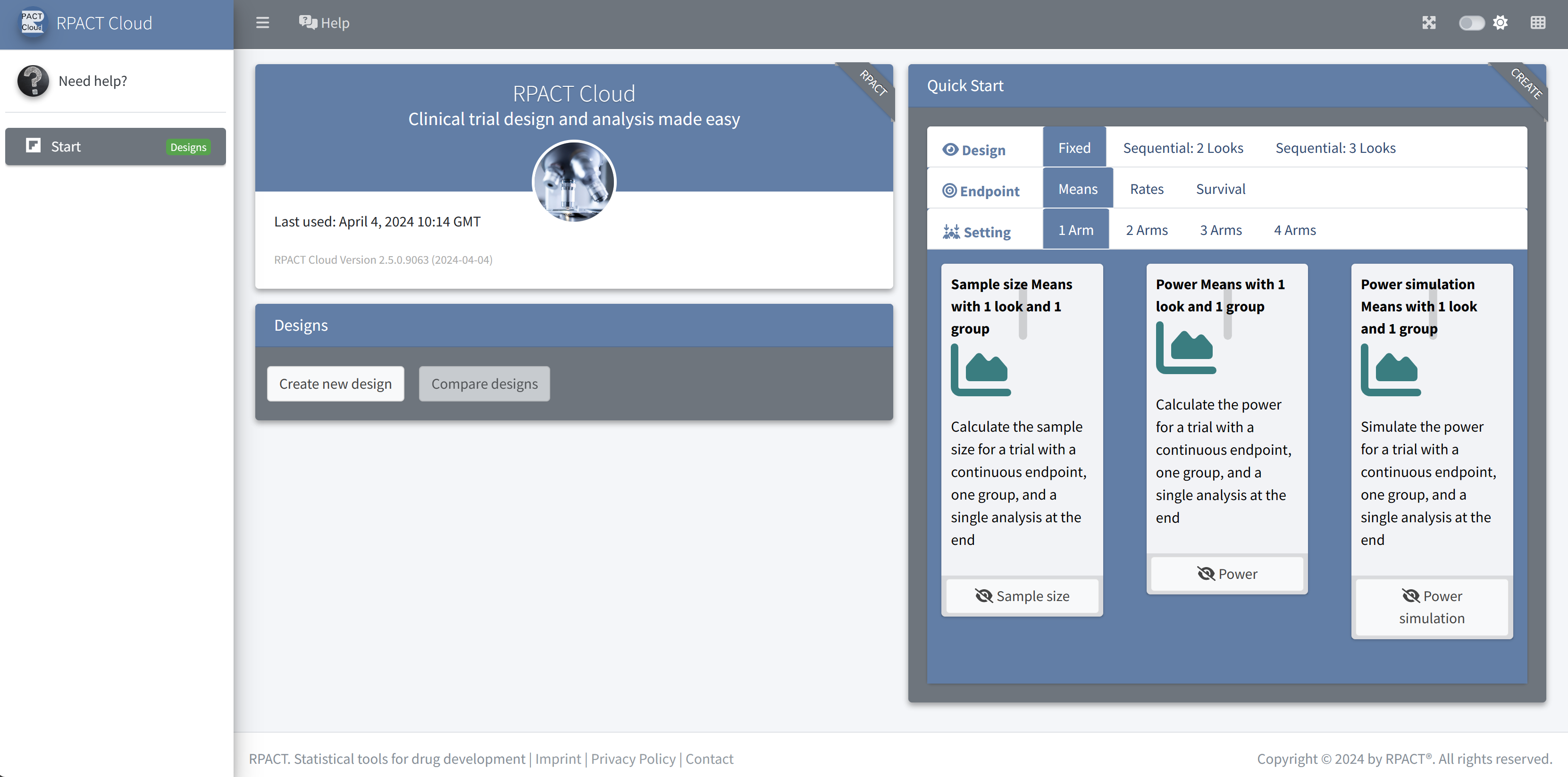
RPACT Cloud – Start Page
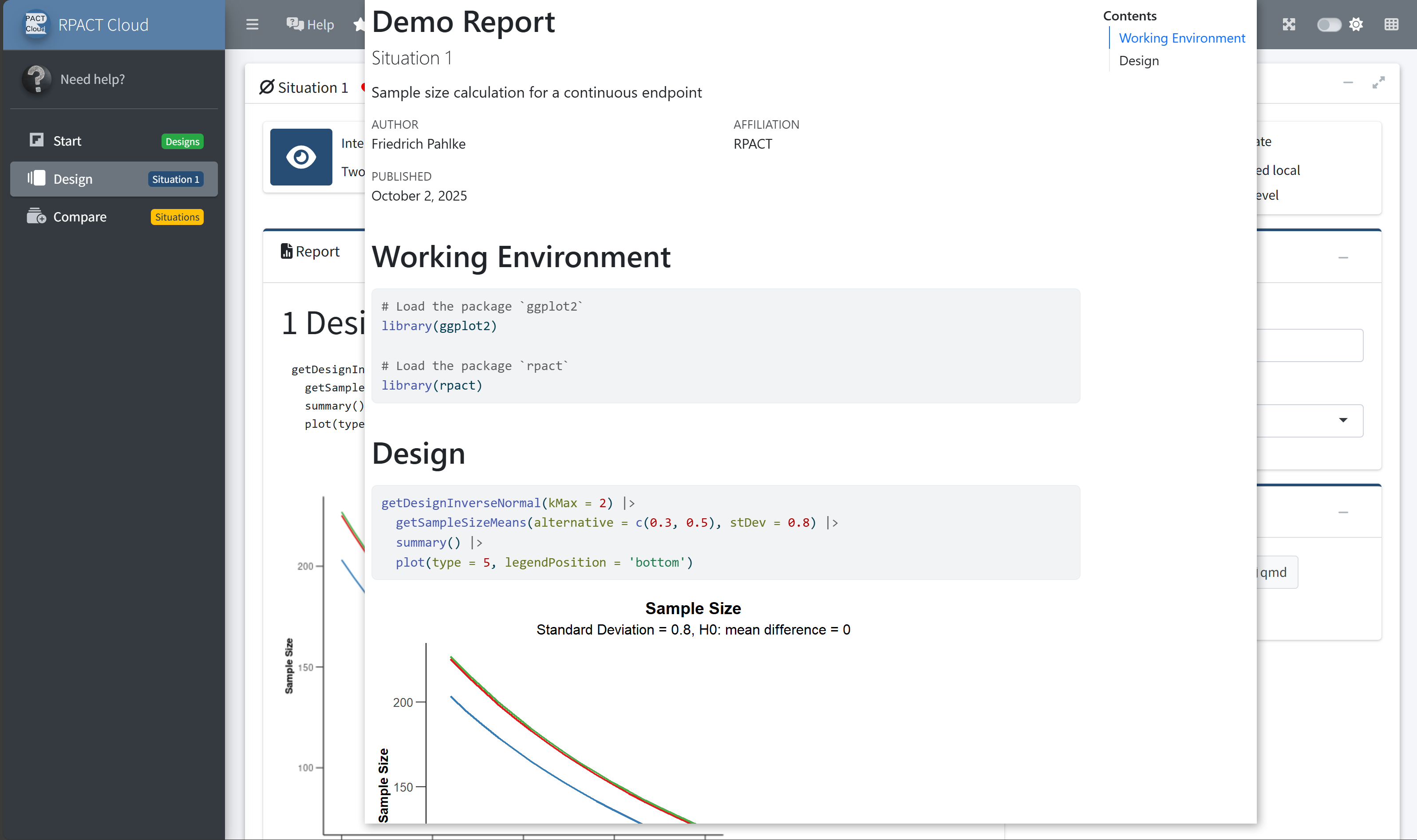
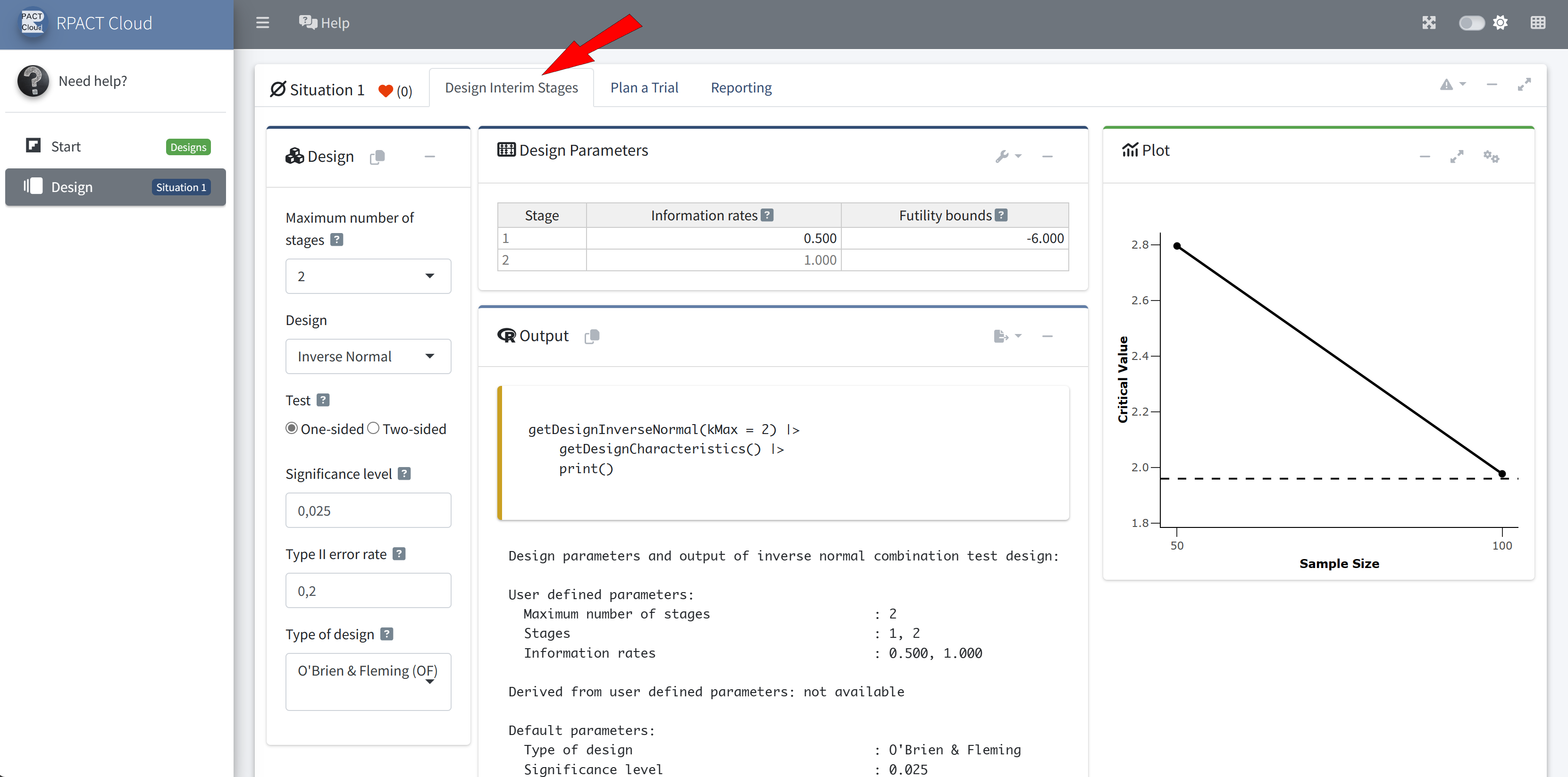
RPACT Cloud – Design
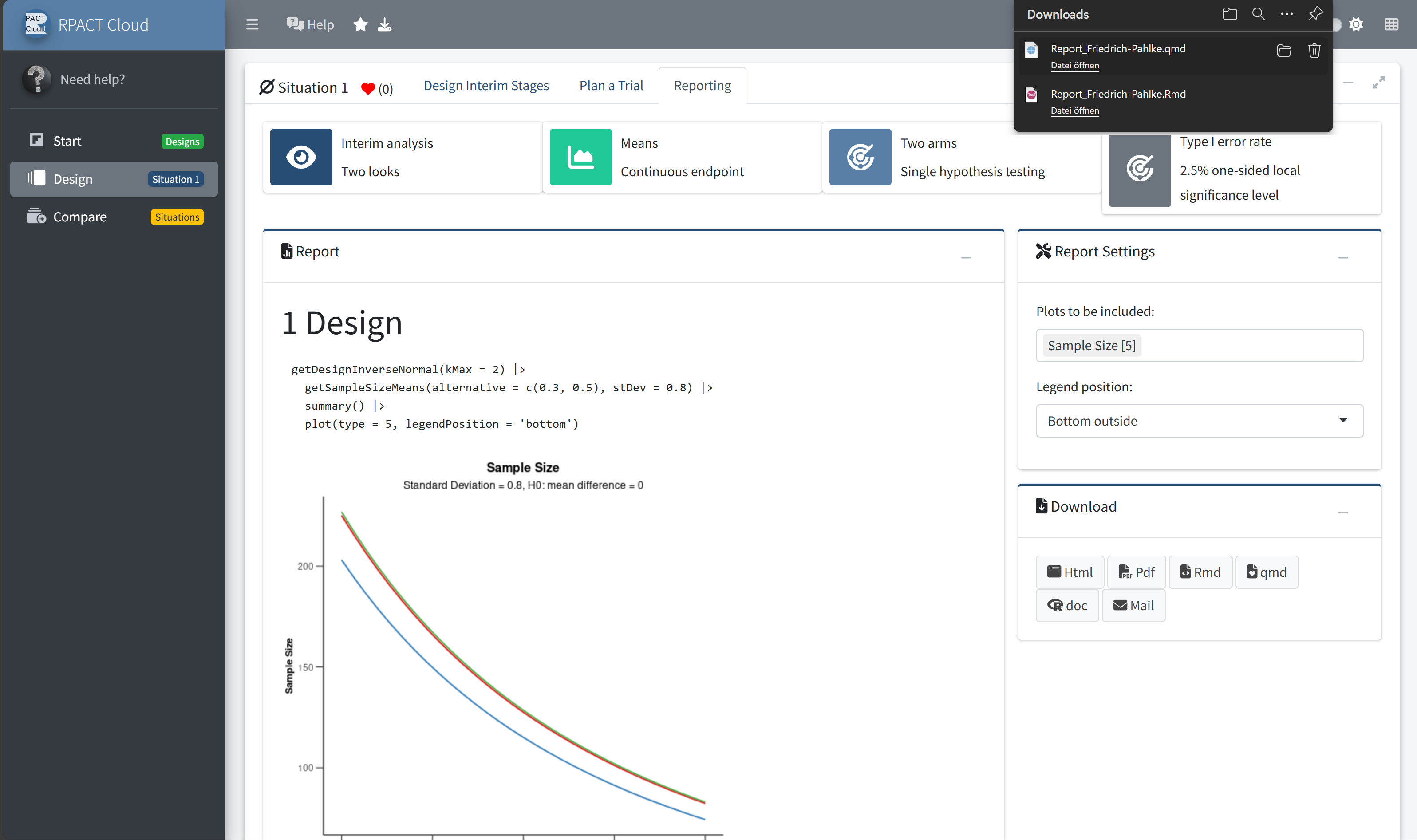
RPACT Cloud – Reporting

RPACT Cloud – Export
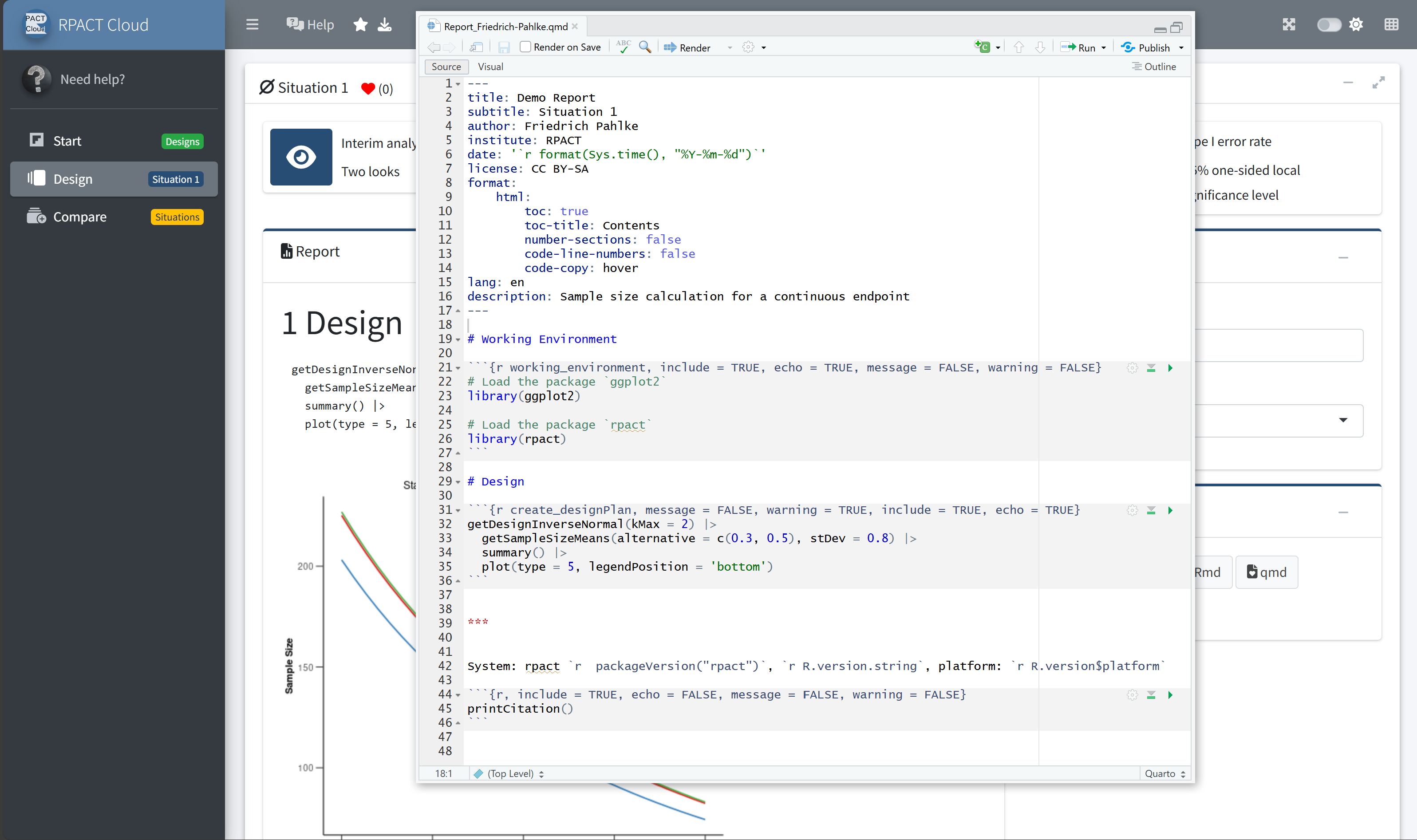
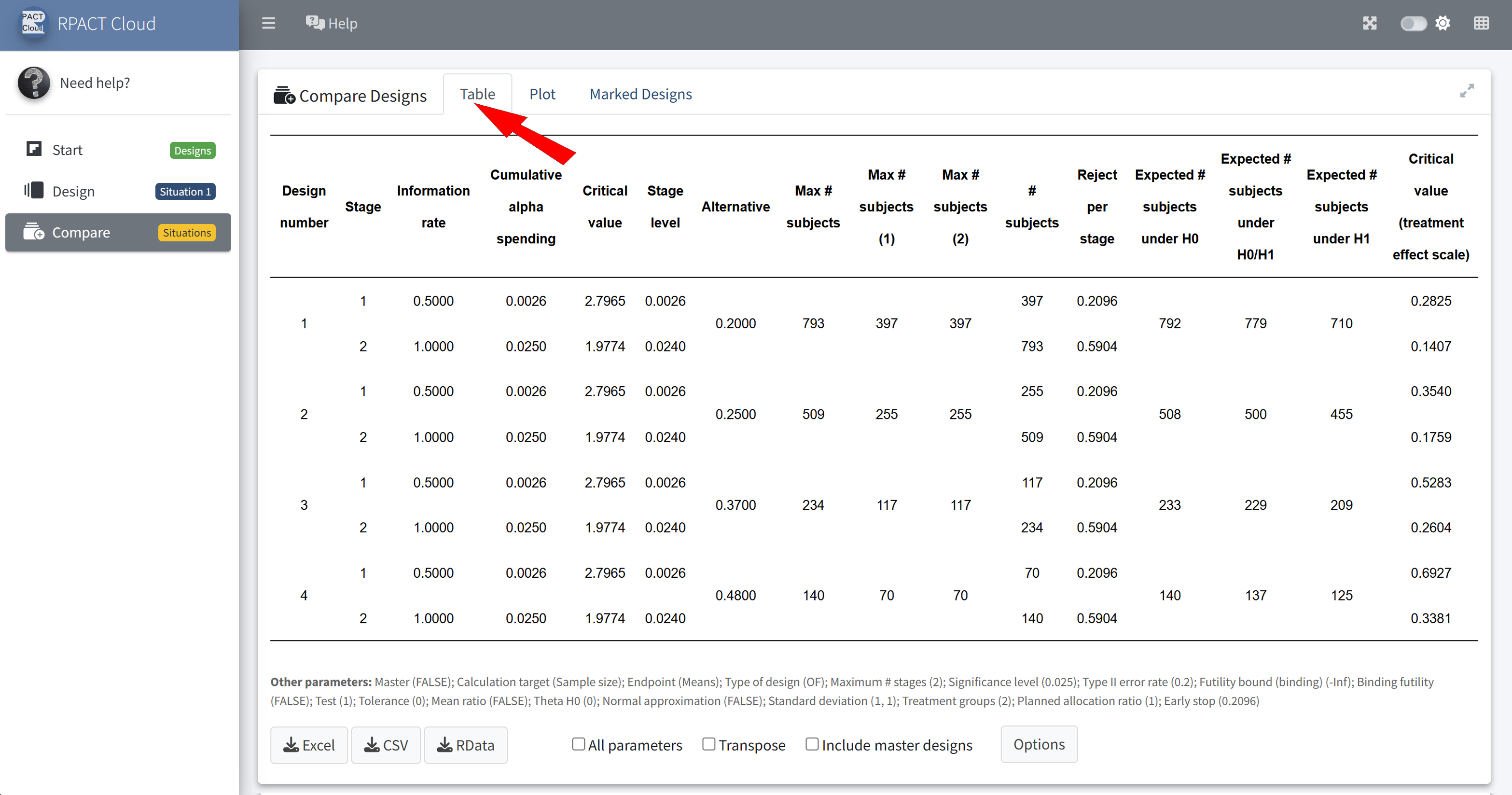
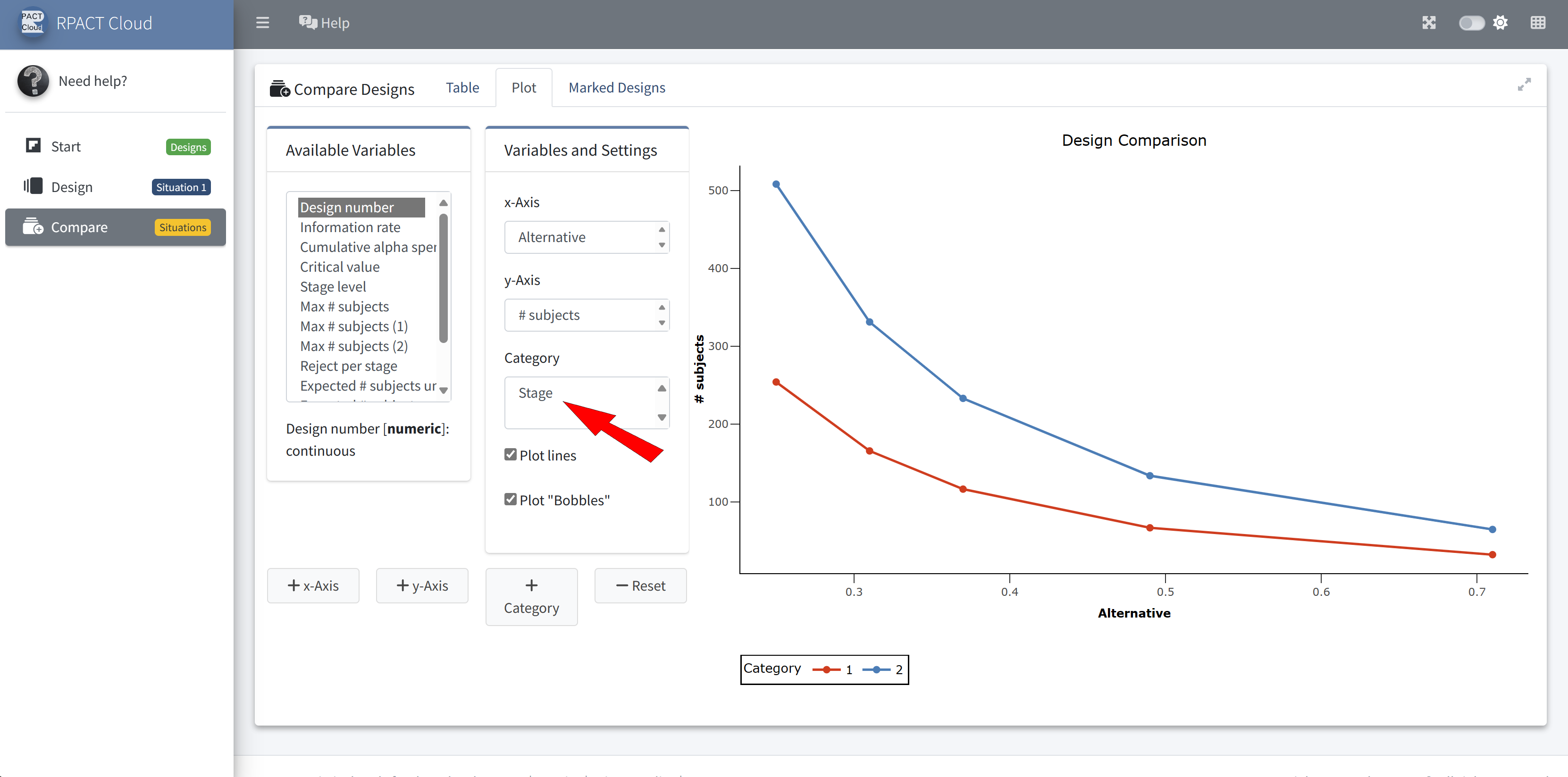
RPACT Cloud – Design Comparison
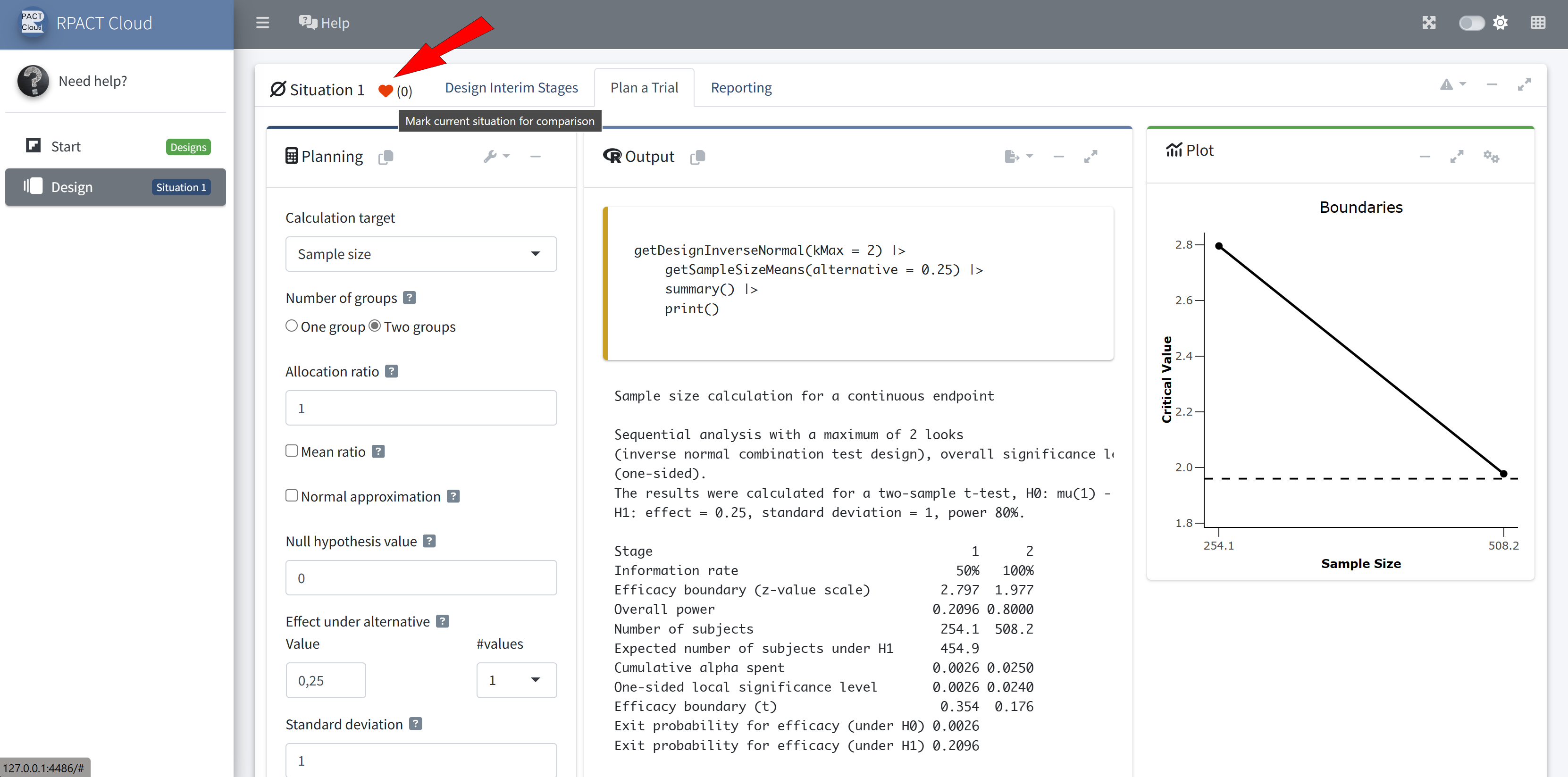
RPACT Cloud – Enterprise Licensing

Over the past year, three major pharmaceutical companies have licensed RPACT Cloud for internal installation and use on their own servers - fully replacing previous proprietary software.

To support these enterprise deployments, we published extensive documentation covering setup on Posit Connect, configuration, and full qualification/validation:

Package Validation Concept

Package Validation Concept

Why is rpact a reliable R package?

  • Formal validation inspired by “GAMP1 5” principles
  • testPackage()2: installation qualification on a client computer or company server
  • rpact 4.2.1: 38,913 unit tests (82% test coverage)
  • As few dependencies as possible:
    • Imports: Rcpp3
    • Suggests: testthat, ggplot2, R6
  • High test coverage4: Usage of covr and codecov.io

Package Validation Concept

Documentation structure inspired by GAMP 5

  1. User requirements specification (URS)
  2. Functional specification (FS)
  3. Software design specification (SDS)
  4. Verification
    • Test plan (TP)
    • Test protocol (TL)
  5. Appendix

Validation documentation of rpact 4.2.1:
7,904 pages - Customer specific version for each rpact release - Licensed for exclusive use by our customers

The R Package ‘crmPack’ 📦

What is crmPack?

  • Industry-grade R package for dose escalation in early phase clinical trials
  • Has been developed over the last 10 years, first in Roche and then as open source collaboration
  • In September 2025, RPACT took over the maintenance and further development of crmPack with a new crowd-funding model along the lines of rpact
    • Initial clients: Bayer, Boehringer Ingelheim, Merck KgA, Roche
  • 13 vignettes: practical examples and use-cases published on openpharma.github.io/crmPack

The R Package ‘crmPack’ 📦 (cont’d)

  • Initial CRAN release in 2016, making it widely accessible to the R community
  • Higher flexibility compared to other software, thanks to it modular design principles (S4 classes)
  • Easy extensibility and adoption of new designs
  • Produces visual and numeric output, enabling clear and intuitive presentation of trial results
  • Facilitates simulations, allowing for the evaluation of various scenarios and assess the performance of different dose escalation strategies
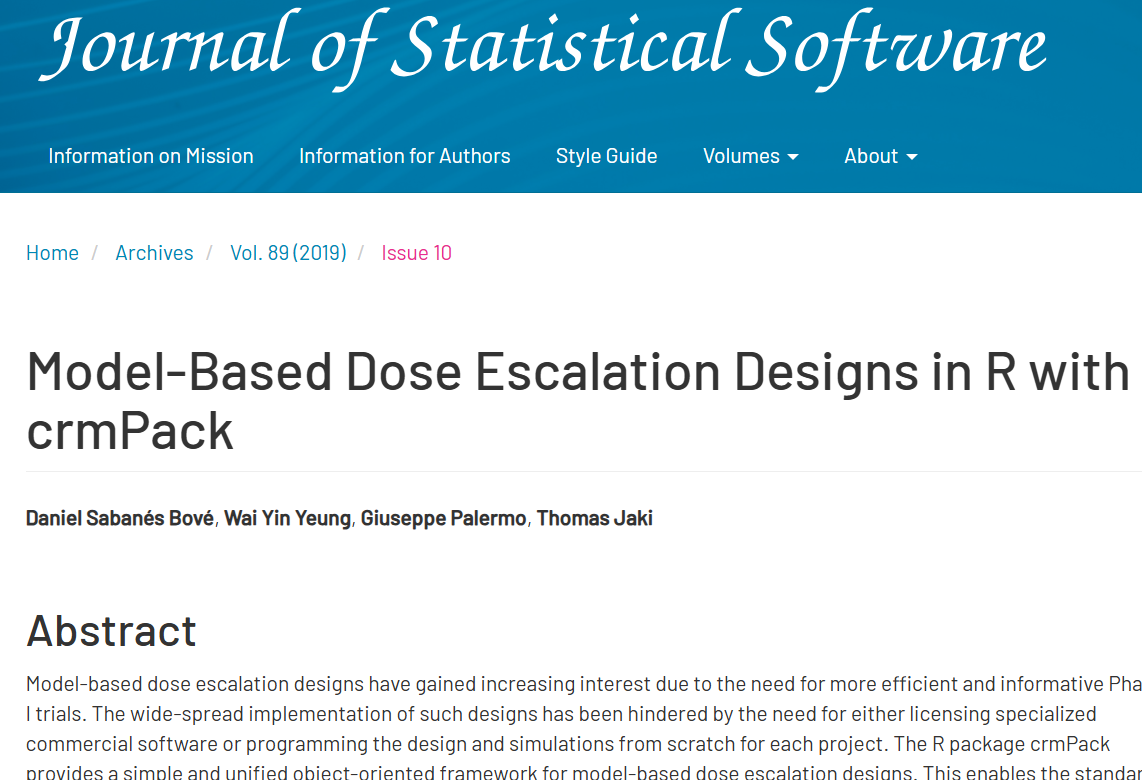
Paper about crmPack is available openly here

High User Acceptance

What Our Users Say About RPACT

  • “One of the best software and team in the field of adaptive design!”
    (Senior Director of Statistics)
  • “rpact is by far the easiest to use.”
    (Professor, Human-Technology Interaction Group)
  • “RPACT is just amazing.” (Biostatistician)
  • “We are impressed by the high quality of the package and the excellent support by rpact.” (Biostatistics director of a pharmaceutical company)
  • “[We] exclusively uses rpact, complemented with a huge internal webportal of supporting code, documentation, internal case studies, repository of health authority questions, etc. for all clinical trial design purposes” (see DOI)
  • “Excellent package! Many thanks.” (Biostatistician)

Why become an RPACT SLA customer?

  • Available both for rpact and crmPack
  • Be part of the “RPACT User Group”
    \(\rightarrow\) yearly customer meetings
  • Get technical software support for written support requests1
  • Get one Eli Lilly specific training per year
  • Get an Eli Lilly specific software validation documentation for each rpact release on CRAN
  • Get access to the members area at connect.rpact.com
  • Make an rpact installation qualification on each Eli Lilly computer with your personal testPackage() token and secret
    • This will be available for crmPack during 2026, too
  • Determine the direction of rpact and crmPack future development activities
  • Help to shape Open Source in Pharma2